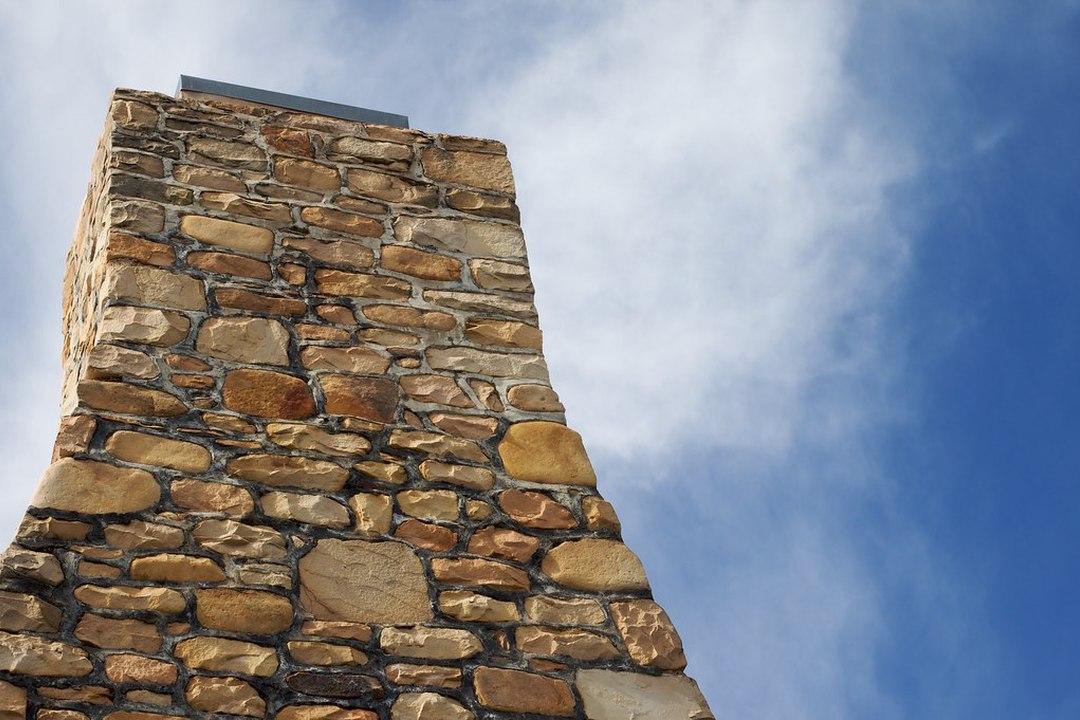
The chimney part of a sale is mostly a masonry question
When a house in Laguna Hills goes under contract, the chimney gets attention from people who rarely think about it: buyers, sellers, both agents, sometimes a lender. Most of what turns up is masonry. Mortar, brick, the crown, the flue tile and the metal at the roof account for nearly every line we write on a sale inspection. This post goes through those findings, what each one means, and how each turns into a number.
Why a sale calls for the camera
The fire code for chimneys, NFPA 211, lists a sale among the occasions for a Level 2: the visit where we put a camera inside the flue and look at the chimney everywhere it can be reached inside the house, from the attic down. Our Level 2 costs $405 and comes with a photo and a written finding for each item.
Most of what matters in masonry cannot be judged from the living room. Open joints near the top, a cracked crown, a tile that slid in an old quake: those sit on the roof or inside the flue.
The findings we write most often
Worn joints above the roof
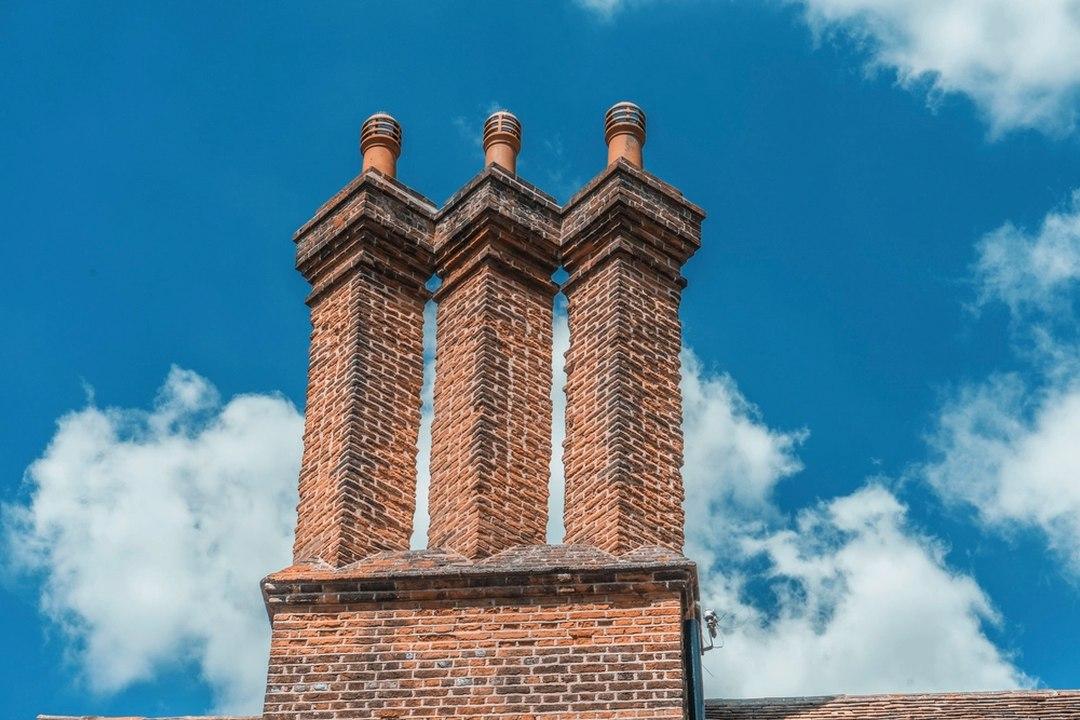
The joints are recessed, sandy, or missing in places. Water gets into the upper stack, and left long enough the brick loosens. Repointing has no set price; the report records the faces and rows involved so a mason can price it.
A cracked crown, or a mortar wash posing as one
Crack lines across the top, or a thin dome of mortar with no overhang. Water reaches the brick and the flue. The fix is a sealing coat or a new pour, priced after measuring the top; our crown post explains the difference.
No cap, or a rusted one
Rain and animals have a straight path into the flue. A new cap fixes it, quoted after we measure the flue.
Roof metal pulled away, or sealed with caulk
Water shows at the ceiling beside the chimney. On a wide stack a cricket may also be needed: $465 to $1,045 by itself, or $695 to $1,700 with the roof metal renewed around the stack.
Cracked or shifted flue tile
Seen only on camera. Heat and smoke can reach the brick and the framing beyond it, so the report says the fireplace should not be lit until the flue is repaired or lined. The fix is priced from the footage.
Upper rows that move, or a stack out of plumb
Brick that shifts under a hand means the top section has to come down and be relaid. It is priced by the rows involved; see the rebuild cost post.
Old water inside the house
Stains on attic framing beside the chimney, salt bloom on the breast. Tracing and stopping the leak runs $580 to $3,450.
Three bands on every report
We mark each finding as appearance only, upkeep to plan for, or work needed before the fireplace is used again. White salt on the brick face is appearance. A handful of open joints is upkeep. A cracked flue tile belongs in the third band. Sorting it this way lets everyone see at a glance which lines carry weight in the sale and which do not.
Many houses in Laguna Hills, Mission Viejo and Laguna Niguel went up in the 1960s, 1970s and 1980s, and their chimneys have now seen decades of sun and winter rain. Some of those houses have factory-built metal fireplaces rather than brick; the report says which you have and covers the metal pipe, chase and cap in that case.
What decides the next step
After the Level 2, the next step depends on which band the findings land in. A buyer with only appearance and upkeep items usually has little to raise. A buyer with a third-band item needs a written repair quote while the contingency is still open, and our published ranges let that conversation start from real figures. A seller who would rather know first can book the same inspection before listing and decide what to repair.
Book the Level 2 for the house you are buying or selling
When the chimney comes back clean
Plenty of sale inspections end with nothing worse than a few upkeep notes. That result has value too. A buyer who knows the flue tile is whole and the crown is sound can light the first fire in the new house without wondering, and a seller can point to a dated report with photos instead of a shrug. We write a clean result with the same care as a bad one, face by face and flue by flue, so it stands up when someone asks about the chimney later.
Who sees the report
It goes to whoever pays for the inspection and to anyone they choose to add: an agent, a co-buyer, a lender. The other side sees it only if our client shares it. Every photo is captioned with where it was taken, such as the north face of the stack or the attic beside the chimney, so a reader who has never been to the house can follow it.
Pages for each side of the sale
Buyers who cannot be at the house can read our home sale page. Agents holding a home inspector's chimney referral will find the agent page useful, and anyone facing a list of repairs can start with the code repair costs page. The Level 2 inspection page covers the visit itself.
Buying or selling a house with a brick chimney? Our contact page takes the booking, and the findings go out as soon as the report is written.
Want a Mason to Look at Yours?
Goodwin Chimney Services works from Laguna Hills across south Orange County. We look at the brick, joints, crown and flue, then send a written scope with the mortar, materials and price.